
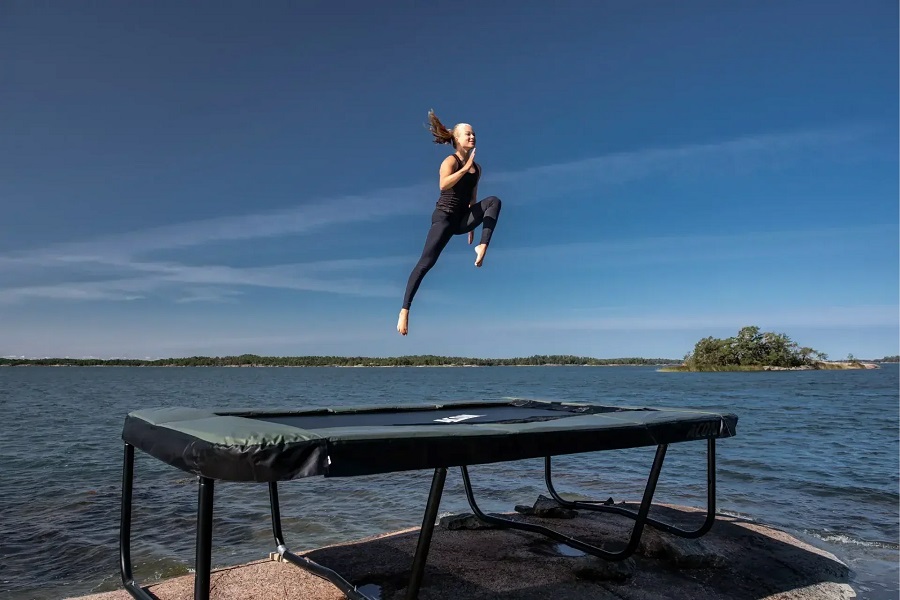
Video can add useful visual feedback to a trampoline class singapore participant’s training when it is used selectively and respectfully. A short recording may reveal changes in foot placement, posture or rhythm that are difficult to feel during repeated rebounds.
The objective is not to produce perfect social-media footage. It is to answer a specific movement question. When every class is recorded without a clear purpose, participants may collect large amounts of video without improving their technique.
Decide What the Recording Should Show
A useful recording begins with one question. The participant may want to see whether both feet land together, whether the knees remain controlled or whether posture changes during a faster interval.
Trying to evaluate everything at once makes the video difficult to interpret. One or two visible checkpoints are enough for a short review.
The movement should also be familiar. Recording a completely new sequence may show confusion rather than a stable technical pattern.
Once the question has been chosen, the camera position and clip length can be selected accordingly.
Obtain Permission Before Recording
A group class is a shared environment. Other participants may appear in the frame even when the camera is intended for one person.
Permission from the facility and instructor should be obtained before recording. Nearby participants should also be informed if they may be visible.
Members attending classes through TFX Singapore should follow the club’s current photography and recording rules. A technical purpose does not override another person’s privacy.
If recording cannot be completed without including others, the participant should choose a different time, camera angle or feedback method.
Use Short Clips
A 10 to 20-second clip is often enough to review a movement pattern. Longer recordings create more footage without necessarily providing better information.
Short clips are easier to compare and reduce distraction during class. The participant can record a controlled interval and, where appropriate, a later interval under fatigue.
The two clips may reveal whether rhythm, posture or landing position changes as the session progresses.
Recording should not interrupt the class or delay other participants. The phone should be positioned and removed efficiently.
Select a Useful Camera Angle
A front view can show symmetrical foot placement, knee direction and lateral shifting. A side view may provide better information about torso position, hip movement and rebound height.
No single angle shows everything. The participant should choose the view that answers the original question.
The phone should remain stable. Leaning it against an insecure object may cause it to fall or become a hazard.
The camera should also be far enough away to capture the full movement without obstructing a walkway.
Review Landing Consistency
The first checkpoint is whether the feet return to a predictable location. Large changes in position may indicate that the participant is reacting to the surface rather than controlling the rebound.
During symmetrical movements, the timing of both feet can be compared. One foot repeatedly contacting earlier may suggest a preferred side or a loss of balance.
The review should also consider whether the pattern changes with speed. A landing that remains stable at a moderate cadence may become inconsistent during faster work.
This information can guide the next class. The participant may reduce cadence temporarily while reinforcing a controlled landing.
Look at the Knees and Hips Together
It is easy to focus on the knees alone, but movement at the hips and feet affects what the knees appear to do.
The participant can observe whether the knees track consistently with the feet and whether the hips shift noticeably to one side. The torso should also remain organised over the base of support.
A single unusual repetition does not necessarily represent a persistent issue. Patterns repeated across several contacts are more useful.
Video should identify questions for coaching, not encourage self-diagnosis from one frame.
Compare Perception With Reality
Before watching the clip, the participant can note how the movement felt. It may have felt fast, stable, heavy or uneven.
The video can then be compared with that perception. Sometimes a movement that felt uncontrolled looks technically consistent. In other cases, a confident sequence reveals gradual drifting.
This comparison improves body awareness. Over time, the participant becomes better at recognising technique changes without needing to record every session.
The ultimate goal is improved internal feedback, not permanent dependence on the camera.
Use Slow Motion Carefully
Slow motion can reveal timing differences that are difficult to see at normal speed. However, it can also make small variations appear more dramatic.
The participant should watch the clip at normal speed first. Slow motion can then be used to examine one selected detail.
Freeze frames should not be judged without considering the movement before and after them. A position may be appropriate within a dynamic rebound even if it looks unusual in isolation.
Instructor interpretation can prevent the participant from drawing excessive conclusions from minor visual differences.
Avoid Chasing Visual Perfection
Not every body moves in exactly the same way. Limb proportions, experience and movement strategy can create natural variation.
Video review should focus on repeatability, control and the ability to follow the intended sequence. It should not become an exercise in comparing appearance with another participant.
A visually larger rebound is not automatically better. A lower movement with strong rhythm may be more suitable for the class objective.
Participants should also avoid using footage primarily to criticise their body shape. Technical feedback is most useful when it remains connected to performance.
Track One Change at a Time
After reviewing the clip, the participant should choose a simple action for the next session. This might involve reducing rebound height, maintaining a more consistent stance or controlling the final repetitions of an interval.
Trying to correct five details simultaneously can make movement less natural. One cue provides a clearer test.
A later recording can show whether that cue improved the selected pattern. If it did not, the participant and instructor can try a different approach.
This creates a practical feedback cycle rather than random filming.
Keep the Technology Secondary
A phone cannot replace an instructor’s observation or the participant’s judgement. It shows only one angle and captures a limited period.
Video is most valuable when it supports a coached process. The instructor can help determine whether the visible pattern matters and suggest an appropriate progression.
Participants should still pay attention to breathing, discomfort and balance. A clip that looks controlled does not override how the body feels.
Technology should make the session clearer, not more complicated.
Turn Footage Into Better Movement
Short, purposeful recordings can help participants recognise landing patterns, compare early and late-session technique and understand the difference between feeling and appearance.
The process should remain respectful of privacy and class rules. Clips should be recorded only when they can be captured safely without disrupting others.
When one clear question guides the review, video becomes a useful coaching aid. It can help participants improve landing consistency and movement awareness while keeping the real focus where it belongs, on controlled, confident rebound training.
